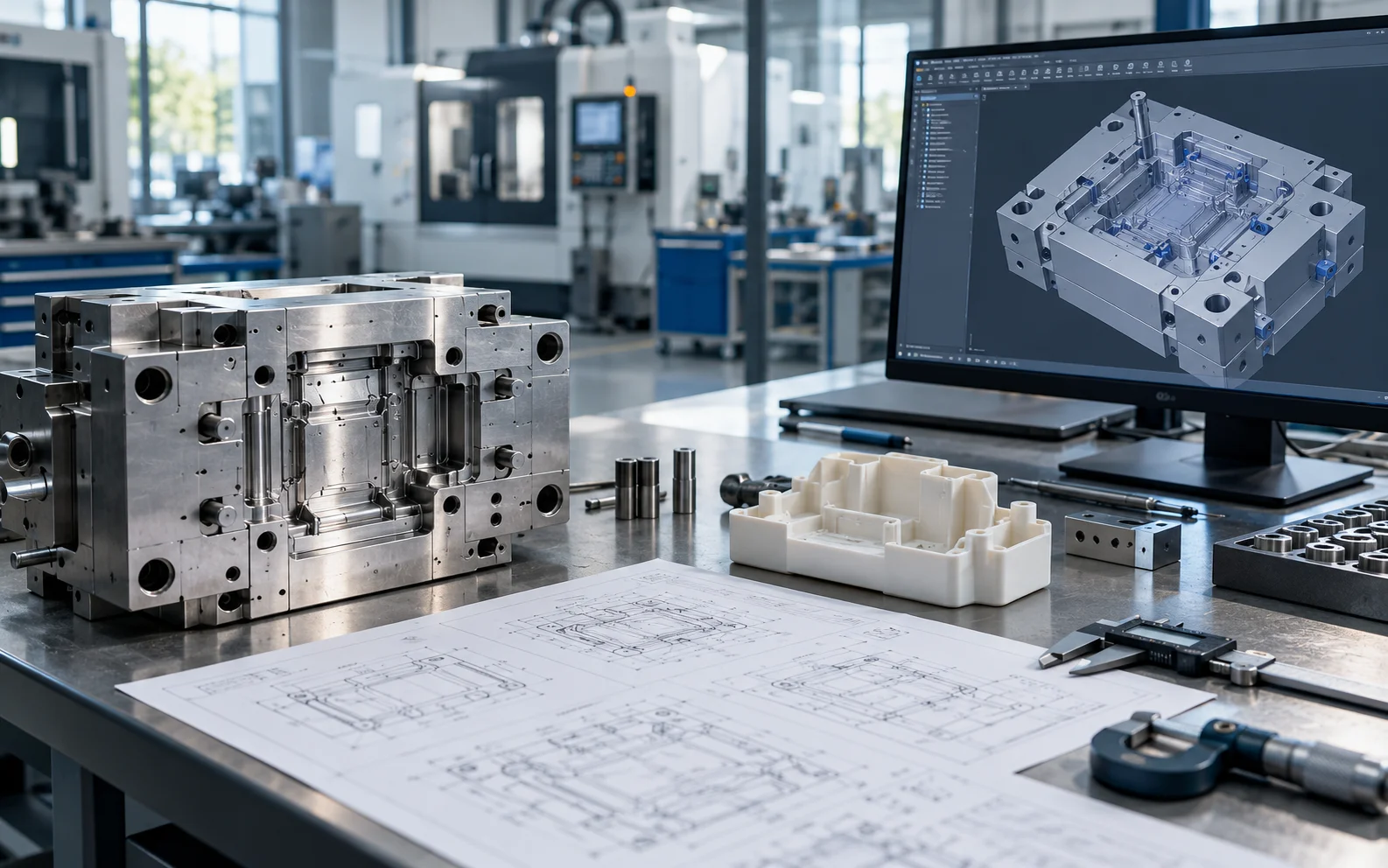
Precision in CNC Machining: Tolerances, Surface Finish and Mould Components
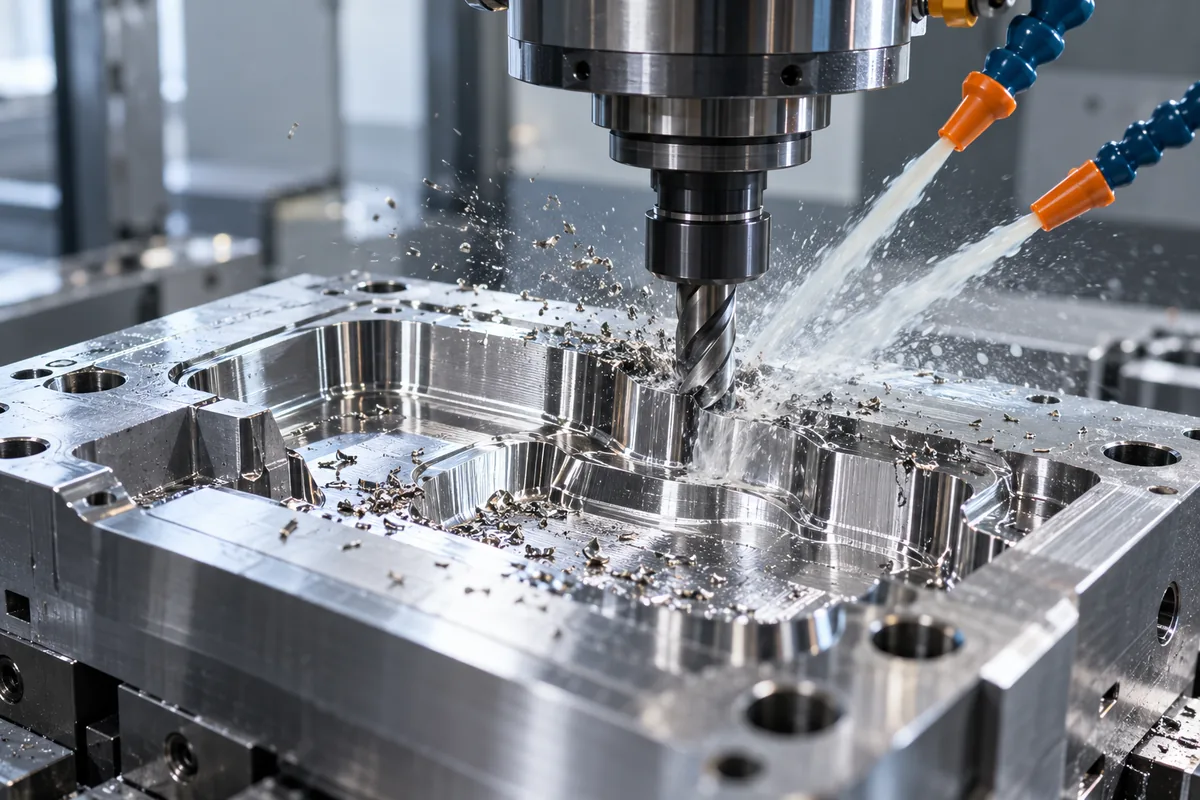
In moulds and machine parts, a deviation of a few microns can mean parts that do not fit, sealing problems or flash in the mould. That is why CNC machining is the foundation of precision manufacturing. Here are the main factors that determine precision.
What Is a Tolerance and Why Does It Matter?
A tolerance is the acceptable range of deviation for a dimension. Tolerances on the drawing ensure the part performs in assembly and use. Tighter than necessary raises cost; looser than necessary causes functional problems. The right tolerance follows the part's function.
Five Factors That Determine Precision
1. Machine rigidity and calibration
Vibration-free, regularly maintained and calibrated machines are the first condition for repeatable dimensions.
2. Choosing the right cutting tool
Tool geometry and coating matched to material hardness determine both accuracy and surface finish. A worn tool causes dimensions to drift.
3. Cutting parameters
Spindle speed, feed and depth of cut are set for the material. High-speed machining with light chips improves surface finish and gives precise results even in hardened steels.
4. Workholding
Clamping the workpiece rigidly and without stress prevents deflection and movement during machining.
5. Measurement and inspection
Measuring during and after machining catches deviations early; critical dimensions are verified with precision instruments.
Details Finished by EDM
Sharp inside corners, deep narrow slots and fine details that milling tools cannot reach are produced by CNC electrical discharge machining, which delivers high precision even in hardened mould steels.
Surface Finish
Surface roughness affects part appearance, release from the mould and the life of moving components. The right machining strategy, plus polishing where needed, achieves the required finish.
CNC Integrated with the Mould Shop
Having the CNC unit under the same roof as the mould shop speeds up the move from machining to assembly in mould making and keeps revisions under control. Request a quote for precision machining, from mould components to custom parts.